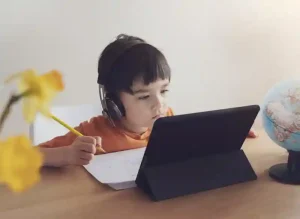

Remote work has evolved from a niche employment arrangement into a major component of the modern workplace. Advances in technology, changing workforce expectations, globalization, and digital transformation have enabled organizations to operate effectively across cities, countries, and continents. Today, businesses of all sizes employ distributed teams, allowing professionals to collaborate from home offices, coworking spaces, and remote locations around the world.
While remote work offers significant advantages, including flexibility, reduced commuting time, broader talent access, and improved work-life integration, it also introduces unique challenges. Employees can no longer rely on spontaneous office conversations, direct supervision, or in-person collaboration as their primary methods of communication and problem-solving. Instead, success increasingly depends on a distinct set of skills that enable professionals to remain productive, connected, and effective in virtual environments.
Many organizations initially viewed remote work as simply relocating traditional office activities to a home setting. However, experience has shown that thriving in a distributed workplace requires more than access to a laptop and internet connection. Professionals must develop competencies related to communication, organization, collaboration, technology usage, adaptability, and self-management.
As remote and hybrid work models continue gaining popularity, employers increasingly seek candidates who demonstrate strong remote work capabilities. Likewise, professionals who invest in developing these skills often gain greater flexibility, stronger career opportunities, and improved long-term employability.
Understanding the essential skills required for remote work success is becoming increasingly important in a workforce where location is no longer the primary determinant of productivity and performance.
The Evolution of Remote Work
Remote work has existed for decades, but technological advancements have dramatically expanded its viability.
Several factors contributed to its growth:
- high-speed internet
- cloud computing
- collaboration platforms
- mobile technologies
- digital communication tools
Together, these innovations have enabled distributed teams to operate effectively regardless of physical location.
Why Remote Work Skills Matter
In traditional workplaces, many challenges can be resolved through immediate face-to-face interactions.
Remote environments require individuals to operate with greater independence and intentionality.
Strong remote work skills help professionals:
- maintain productivity
- communicate effectively
- collaborate efficiently
- manage responsibilities
- adapt to changing circumstances
These competencies contribute directly to workplace success.
Skill 1: Communication
Communication is often considered the most important remote work skill.
In distributed workplaces, communication becomes the foundation of collaboration, coordination, and relationship-building.
Written Communication
Remote teams rely heavily on written communication.
Employees frequently communicate through:
- messaging platforms
- project management tools
- documentation systems
Clear writing helps reduce misunderstandings and improve efficiency.
Concise Messaging
Strong remote communicators understand how to present information clearly and efficiently.
Messages should:
- provide context
- communicate objectives
- clarify expectations
- reduce ambiguity
Well-structured communication saves time for everyone involved.
Virtual Meeting Communication
Video meetings remain important in remote environments.
Professionals should develop skills such as:
- active listening
- clear verbal communication
- effective presentation
- thoughtful participation
Strong meeting habits improve collaboration outcomes.
Skill 2: Time Management
Remote work often provides greater autonomy than traditional office environments.
This flexibility requires effective time management.
Planning Daily Activities
Successful remote professionals often organize their workdays through:
- task prioritization
- scheduling
- calendar management
- workflow planning
Structured routines support consistent productivity.
Managing Deadlines
Without direct supervision, individuals must take responsibility for meeting deadlines independently.
Reliable deadline management builds trust and credibility.
Avoiding Procrastination
Remote environments may present distractions that compete for attention.
Developing self-discipline helps professionals remain focused on priorities.
Skill 3: Self-Motivation
Remote work requires individuals to maintain momentum without constant external oversight.
Self-motivation plays a critical role in long-term success.
Taking Initiative
Employers value professionals who proactively identify opportunities, solve problems, and contribute without waiting for detailed instructions.
Initiative demonstrates ownership and accountability.
Maintaining Consistency
Motivation naturally fluctuates over time.
Successful remote workers develop habits that support consistent performance regardless of temporary changes in motivation.
Skill 4: Digital Literacy
Technology forms the backbone of remote work.
Professionals must feel comfortable using a variety of digital tools and platforms.
Core Technology Competencies
Remote employees often interact with:
- video conferencing software
- collaboration platforms
- cloud storage systems
- project management tools
- communication applications
Digital literacy improves efficiency and confidence.
Learning New Technologies
Technology evolves rapidly.
Adaptability and willingness to learn new tools are increasingly valuable qualities.
Skill 5: Collaboration
Some people mistakenly assume remote work is primarily independent work.
In reality, collaboration remains essential.
Working Across Teams
Remote professionals frequently collaborate with colleagues located in different regions and time zones.
Effective collaboration requires:
- responsiveness
- coordination
- communication
- flexibility
Sharing Information
Knowledge sharing becomes particularly important in distributed environments.
Documentation and transparency help teams remain aligned.
Skill 6: Organization
Organization supports productivity and reduces stress.
Remote workers often manage multiple projects, deadlines, and communication channels simultaneously.
Managing Workflows
Organized professionals typically maintain systems for:
- task tracking
- file management
- project monitoring
- meeting preparation
These systems improve efficiency.
Digital Organization
Remote work generates large amounts of digital information.
Maintaining organized folders, documents, and communication records supports smoother operations.
Skill 7: Adaptability
The modern workplace changes rapidly.
Remote professionals must adapt to evolving priorities, technologies, and business conditions.
Responding to Change
Adaptability involves:
- embracing new processes
- learning new skills
- adjusting workflows
- solving unexpected challenges
Flexible employees often perform better in dynamic environments.
Managing Uncertainty
Remote work can sometimes involve ambiguity.
Adaptable individuals remain productive even when circumstances are changing.
Skill 8: Problem-Solving
Independent problem-solving is highly valued in remote environments.
Employees frequently encounter situations requiring initiative and critical thinking.
Identifying Solutions
Strong problem-solvers:
- analyze situations
- evaluate options
- implement solutions
- learn from outcomes
These abilities reduce dependency on constant supervision.
Resourcefulness
Resourceful professionals seek information, utilize available tools, and explore alternatives before escalating issues unnecessarily.
Skill 9: Accountability
Trust is essential in distributed workplaces.
Accountability helps establish and maintain that trust.
Taking Ownership
Accountable professionals accept responsibility for their work and commitments.
They communicate proactively when challenges arise.
Delivering Results
Performance in remote environments is often measured by outcomes rather than visible activity.
Consistently delivering results strengthens professional credibility.
Skill 10: Emotional Intelligence
Remote work involves interacting with colleagues through digital channels that sometimes lack social cues.
Emotional intelligence helps professionals navigate these interactions effectively.
Understanding Others
Emotionally intelligent individuals demonstrate:
- empathy
- awareness
- patience
- respect
These qualities support healthy workplace relationships.
Managing Emotions
Remote work can occasionally create stress or isolation.
Emotional regulation helps individuals respond constructively to challenges.
Skill 11: Virtual Relationship Building
Professional relationships remain important even when teams rarely meet in person.
Building Trust Remotely
Trust develops through:
- reliability
- communication
- consistency
- transparency
Strong relationships improve collaboration and team cohesion.
Networking in Remote Environments
Virtual networking has become increasingly important for career development.
Professionals can build connections through:
- online communities
- virtual events
- professional platforms
These relationships often create new opportunities.
Skill 12: Project Management Awareness
Even employees without formal project management responsibilities benefit from understanding project workflows.
Understanding Priorities
Remote workers should understand:
- project objectives
- timelines
- dependencies
- responsibilities
This awareness improves coordination.
Tracking Progress
Monitoring progress helps teams remain aligned and accountable.
Project visibility supports better decision-making.
Skill 13: Focus and Attention Management
Maintaining concentration can be challenging in remote environments.
Reducing Distractions
Common distractions may include:
- household responsibilities
- social media
- notifications
- interruptions
Developing focus strategies improves productivity.
Deep Work Practices
Many successful remote professionals schedule uninterrupted periods dedicated to high-value work.
Deep work often improves quality and efficiency.
Skill 14: Cross-Cultural Communication
Remote teams frequently operate internationally.
Professionals may collaborate with colleagues from diverse cultural backgrounds.
Cultural Awareness
Understanding cultural differences helps improve communication and collaboration.
Awareness reduces misunderstandings and strengthens relationships.
Global Collaboration
Global teams often benefit from diverse perspectives and experiences.
Effective cross-cultural communication maximizes these advantages.
Skill 15: Continuous Learning
The remote workplace evolves constantly.
Professionals who commit to ongoing learning often maintain competitive advantages.
Developing New Skills
Continuous learning may involve:
- technical training
- leadership development
- communication improvement
- industry education
Growth-oriented individuals adapt more effectively.
Staying Current
Industries, technologies, and workplace practices change rapidly.
Remaining informed supports long-term career success.
Common Challenges Remote Workers Face
Despite its benefits, remote work presents challenges.
Isolation
Some individuals miss the social interactions associated with traditional workplaces.
Building connections intentionally helps address this issue.
Communication Gaps
Digital communication can occasionally lead to misunderstandings.
Clarity and proactive communication reduce risks.
Work-Life Boundaries
Remote work may blur boundaries between professional and personal responsibilities.
Healthy routines help maintain balance.
Technology Issues
Technical difficulties can disrupt productivity.
Basic troubleshooting skills and preparedness are valuable.
How Employers Evaluate Remote Work Skills
Organizations increasingly assess remote competencies during hiring processes.
Common evaluation methods include:
- behavioral interviews
- skills assessments
- communication exercises
- project-based tasks
Demonstrating remote work readiness can improve employment prospects.
Building Remote Work Skills
Developing remote work capabilities is an ongoing process.
Professionals can strengthen these skills by:
- seeking feedback
- practicing communication
- improving organization
- learning new technologies
- participating in remote projects
Consistent improvement creates long-term advantages.
The Future of Remote Work
Remote work is expected to remain a significant part of the global workforce.
Several trends are likely to influence future workplace models:
- hybrid work arrangements
- AI-powered collaboration tools
- global talent recruitment
- flexible scheduling
- digital workplace innovation
Professionals who develop strong remote work skills will be well-positioned for future opportunities.
Companies such as Microsoft, Zoom Communications, Slack Technologies, and Asana have played significant roles in enabling distributed work and reshaping how teams collaborate in virtual environments.
Frequently Asked Questions
What are remote work skills?
Remote work skills are competencies that help individuals work effectively in distributed environments, including communication, time management, collaboration, and digital literacy.
Why are remote work skills important?
They enable professionals to remain productive, connected, and successful without relying on traditional office environments.
What is the most important remote work skill?
Communication is often considered the most critical skill because it supports collaboration, coordination, and relationship-building.
Can remote work skills be learned?
Yes. Most remote work skills can be developed through practice, training, experience, and continuous improvement.
Do employers value remote work experience?
Many employers increasingly view remote work experience as a valuable indicator of adaptability, independence, and digital competence.
Final Thoughts
Remote work has fundamentally changed how organizations operate and how professionals build their careers. Success in distributed workplaces requires much more than technical expertise alone. Communication, time management, collaboration, adaptability, accountability, and digital literacy have become essential competencies for navigating modern work environments effectively. Individuals who develop these skills are often better equipped to manage responsibilities independently, contribute to team success, and adapt to evolving workplace expectations.
As remote and hybrid work models continue expanding across industries, the ability to work effectively from any location will become an increasingly valuable professional asset. Organizations will continue seeking employees who can communicate clearly, solve problems independently, leverage technology effectively, and maintain productivity without constant supervision. By investing in remote work skills today, professionals can strengthen their career resilience, improve performance, and position themselves for long-term success in the future of work.