
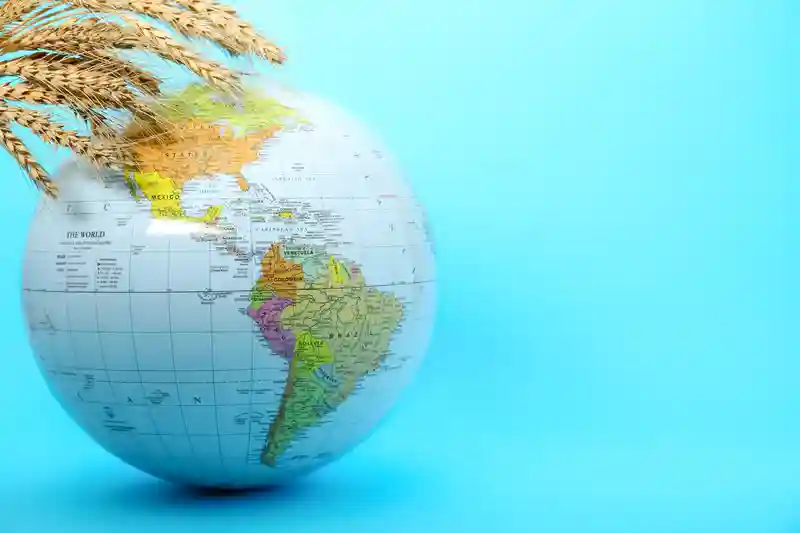
Food is one of the most basic human needs, yet ensuring that every person has consistent access to sufficient, safe, and nutritious food remains one of the greatest challenges facing humanity. Despite remarkable advances in agriculture, transportation, food production, and technology, millions of people around the world continue to experience hunger, malnutrition, and food insecurity. At the same time, growing populations, climate change, resource constraints, economic instability, and geopolitical conflicts are placing increasing pressure on global food systems.
Global food security is not simply about producing enough food. The world currently produces enough calories to feed the global population, yet access to food remains uneven. Food security encompasses availability, accessibility, affordability, quality, and stability. It addresses whether individuals and communities can reliably obtain the food they need to live healthy and productive lives.
The importance of food security extends beyond nutrition. It influences economic development, public health, political stability, environmental sustainability, and social well-being. Nations with strong food systems are often better positioned to support healthy populations, stable economies, and resilient communities. Conversely, food insecurity can contribute to poverty, migration, conflict, poor health outcomes, and long-term developmental challenges.
In recent years, global food security has become an increasingly urgent issue. Climate-related disruptions, supply chain challenges, economic uncertainty, and population growth have highlighted vulnerabilities within existing food systems. As governments, international organizations, researchers, businesses, and communities seek solutions, the need for sustainable and resilient food systems has become more apparent than ever.
Understanding global food security is essential for addressing one of the most significant challenges of the twenty-first century.
What Is Global Food Security?
Global food security refers to a condition in which all people, at all times, have physical, social, and economic access to sufficient, safe, and nutritious food that meets their dietary needs and supports healthy lives.
Food security goes beyond food production alone.
It includes ensuring that food is:
- available
- accessible
- affordable
- nutritious
- stable over time
These factors work together to determine whether populations can meet their nutritional requirements.
The Four Pillars of Food Security
Food security is often understood through four interconnected pillars.
These pillars provide a framework for evaluating food systems and identifying challenges.
Food Availability
Availability refers to the presence of sufficient food supplies.
Food must be produced, imported, stored, and distributed effectively.
Availability depends on factors such as:
- agricultural production
- infrastructure
- transportation systems
- trade networks
Without adequate food supplies, security cannot be achieved.
Food Access
Access focuses on whether individuals can obtain available food.
Food may exist within a region, but economic or social barriers can prevent people from accessing it.
Factors influencing access include:
- income levels
- food prices
- employment opportunities
- transportation availability
Economic inequality often affects food access significantly.
Food Utilization
Utilization refers to how food contributes to health and nutrition.
Access to food alone is insufficient if diets lack essential nutrients.
Proper utilization depends on:
- food quality
- dietary diversity
- food safety
- healthcare access
- sanitation
These elements influence nutritional outcomes.
Food Stability
Stability addresses consistency over time.
Food security requires reliable access to food, not just temporary availability.
Disruptions may result from:
- economic crises
- natural disasters
- conflicts
- climate events
Stable food systems help communities withstand shocks.
Why Global Food Security Matters
Food security influences nearly every aspect of human development.
Its impact extends far beyond agriculture.
Human Health and Nutrition
Adequate nutrition supports:
- physical growth
- cognitive development
- immune function
- overall well-being
Food insecurity can contribute to malnutrition, illness, and long-term health challenges.
Economic Development
Healthy populations are generally more productive.
Food security supports workforce participation, educational attainment, and economic growth.
Conversely, hunger and malnutrition can limit economic potential.
Social Stability
Food shortages and rising food prices can contribute to social unrest.
Food security often plays a role in maintaining stable societies.
Sustainable Development
Global development goals frequently include food security because of its connections to:
- poverty reduction
- health improvement
- education
- environmental sustainability
Addressing food insecurity supports broader development objectives.
The Current State of Global Food Security
Although significant progress has been made in reducing hunger over recent decades, food insecurity remains a major challenge.
Millions of people worldwide continue to experience:
- undernourishment
- food shortages
- poor dietary quality
These challenges affect both developing and developed regions.
Population Growth and Food Demand
The global population continues to increase.
As populations grow, food demand rises accordingly.
Meeting future demand will require improvements in:
- agricultural productivity
- resource efficiency
- food distribution systems
Population growth places additional pressure on food systems.
Climate Change and Food Security
Climate change is one of the most significant threats to food security.
Agriculture depends heavily on environmental conditions.
Changes in climate can affect:
- crop yields
- water availability
- soil quality
- pest populations
These impacts create uncertainty for food production.
Extreme Weather Events
Climate change contributes to:
- droughts
- floods
- heatwaves
- storms
These events can damage crops and disrupt food supplies.
Changing Agricultural Conditions
Shifting temperatures and rainfall patterns may alter growing conditions in many regions.
Farmers must adapt to these changes.
Water Scarcity and Agriculture
Agriculture consumes a significant portion of global freshwater resources.
Water scarcity poses serious challenges for food production.
Increasing Demand for Water
Growing populations and industrial activities increase competition for water resources.
Agriculture must often compete with:
- households
- industry
- energy production
Efficient water management is becoming increasingly important.
Sustainable Irrigation Practices
Innovative irrigation systems can help reduce water consumption while maintaining agricultural productivity.
Land Degradation
Healthy soil is essential for food production.
However, land degradation threatens agricultural sustainability.
Causes of Land Degradation
Contributing factors include:
- deforestation
- overgrazing
- unsustainable farming practices
- erosion
These issues reduce agricultural productivity over time.
Soil Health Management
Improving soil health supports long-term food security and environmental sustainability.
Food Waste and Loss
Food waste represents a major challenge within global food systems.
Large quantities of food are lost or discarded before consumption.
Causes of Food Loss
Food loss may occur because of:
- poor storage
- transportation issues
- infrastructure limitations
These problems are particularly common in developing regions.
Consumer Food Waste
In some countries, significant amounts of food are wasted at the retail and household levels.
Reducing waste can improve overall food system efficiency.
Economic Factors Affecting Food Security
Economic conditions play a major role in food access.
Even when food is available, affordability remains critical.
Poverty and Hunger
Poverty is one of the leading causes of food insecurity.
Limited financial resources restrict access to nutritious food.
Food Price Volatility
Sudden increases in food prices can place significant strain on vulnerable populations.
Stable markets contribute to food security.
Conflict and Political Instability
Conflict often disrupts food production and distribution.
Communities affected by violence frequently face increased food insecurity.
Agricultural Disruptions
Conflict can damage:
- farmland
- infrastructure
- transportation networks
These disruptions reduce food availability.
Displacement and Migration
People displaced by conflict may lose access to livelihoods and food resources.
Humanitarian assistance often becomes necessary.
Sustainable Food Systems
Sustainable food systems aim to provide food security while protecting environmental resources and supporting economic viability.
These systems seek long-term balance among:
- productivity
- environmental stewardship
- social well-being
Sustainable Agriculture
Sustainable agriculture focuses on practices that maintain productivity while minimizing environmental impacts.
Examples include:
- crop rotation
- conservation agriculture
- agroforestry
- integrated pest management
These approaches support long-term resilience.
Technological Innovation in Food Security
Technology is playing an increasingly important role in addressing food challenges.
Precision Agriculture
Precision agriculture uses data and technology to improve efficiency.
Tools may include:
- sensors
- drones
- satellite imagery
- data analytics
These technologies help optimize resource use.
Biotechnology
Biotechnology can contribute to food security through:
- improved crop varieties
- disease resistance
- enhanced productivity
Innovation may help address future food demands.
Digital Agriculture
Digital platforms support farmers by providing information related to:
- weather forecasts
- market conditions
- crop management
Access to information improves decision-making.
The Role of International Cooperation
Food security is a global issue that requires collaboration among countries and organizations.
International cooperation supports:
- trade
- research
- humanitarian assistance
- policy development
Global partnerships are essential for addressing shared challenges.
Organizations such as the Food and Agriculture Organization and the World Food Programme play significant roles in global food security efforts.
Building Resilient Food Systems
Resilience refers to the ability of food systems to withstand disruptions and recover from challenges.
Resilient systems often emphasize:
- diversification
- adaptability
- sustainability
- risk management
These characteristics help support long-term food security.
Future Challenges
Several trends are expected to influence food security in coming decades.
These include:
- population growth
- climate change
- urbanization
- resource constraints
- evolving dietary patterns
Addressing these challenges will require innovation and cooperation.
Frequently Asked Questions
What is global food security?
Global food security means ensuring that all people have consistent access to sufficient, safe, nutritious, and affordable food.
What are the four pillars of food security?
The four pillars are food availability, food access, food utilization, and food stability.
Why is food security important?
Food security supports health, economic development, social stability, and sustainable development.
How does climate change affect food security?
Climate change can reduce agricultural productivity, increase extreme weather events, and disrupt food systems.
What is a sustainable food system?
A sustainable food system provides food security while protecting environmental resources and supporting long-term economic and social well-being.
Final Thoughts
Global food security remains one of the most important challenges facing humanity. While advances in agriculture and technology have significantly increased food production, ensuring equitable access to nutritious food for all people continues to require substantial effort. Food security depends on much more than agricultural output alone; it involves economic opportunity, environmental sustainability, infrastructure, governance, and social stability. The interconnected nature of these factors makes food security a complex but essential goal.
As populations grow and environmental pressures intensify, building resilient and sustainable food systems will become increasingly important. Governments, businesses, researchers, farmers, and international organizations all have critical roles to play in addressing food insecurity and strengthening food systems. Through innovation, collaboration, and sustainable practices, societies can work toward a future where everyone has access to the food needed to live healthy and productive lives.